
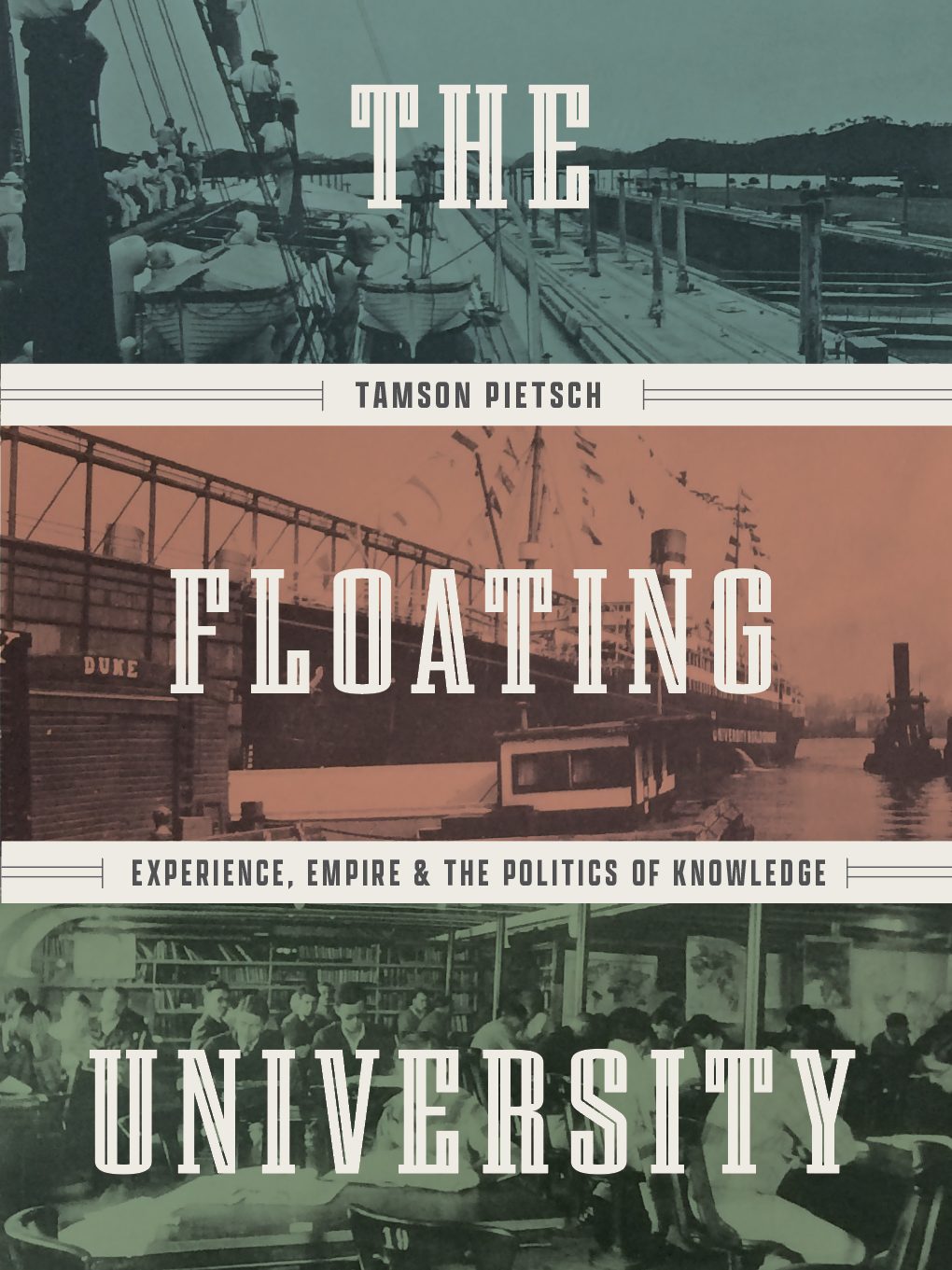
I was pretty thrilled that The Floating University was named one of the books of the year by History Today this week.
I’ve done a bunch of talks lately too, many of which are now up online. So I thought I’d do a bit of a roundup here of the links that I have.
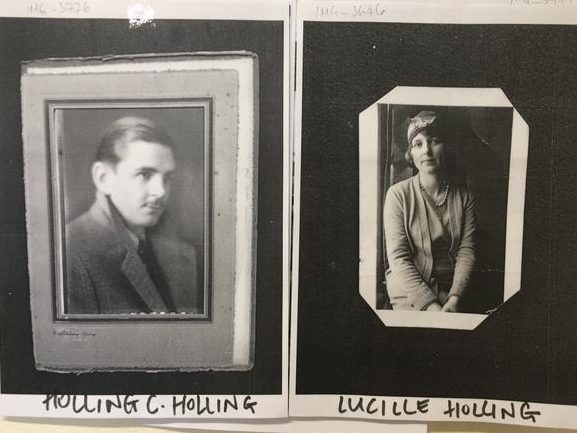
Sincere thanks to everyone who has engaged with the book. As anyone who has written a manuscript will know, it’s completely surreal to have this thing that you have worked on for such a long time out there being read by other humans. I love that voices of Charles Ladd and Holling C. Holling and Lillian McCracken are now in other people’s heads as well as mine!
Of course the greatest recognition of all is that the book has now been pirated. Lib.gen you are too kind.
Recognitions
- Higher Ed Book of the Year (joint), Higher Education Strategy Associates – Dec 2023
- History Today, Books of the year – Dec 2023
- Sydney Morning Herald, Picks of the week – 5 Oct 2023
Talks available online
- The World of Higher Education podcast, 23 Nov 2023
- NYU Arts and Social Sciences Book Talk, 10 Nov 2023
- Eastside FM Between or Beyond, on the Floating University’s Jazz group, the Globetrotters – 7 Nov 2023
- New Books Network podcast – 5 Nov 2023
- Stanford & Trinity College, Academic Innovation for the Public Good series – 11 Oct 2023
- Late Night Live with Phillip Adams – 27 Sept 2023
- History of Universities Seminar, Knowing the World in the 1920s – 5 July 2023
Press
- Psychology professor James Edwin Lough’s ‘floating university’ experiment to link education with experience, ABC RN, 22 Dec 2023.
- Was the 1926 Floating University a Failure? History Today, Dec 2023
- The forgotten ‘floating university’ comes back to life ($) The Australian Newspaper, 20 Sept 2023
- All Aboard The Ship of Self Improvement, The Critic, Aug/Sept 2023
- What is a University? Inside Story, 19 July 2023
- The Students Who Went to Sea, Literary Review, July 2023
- Author’s Corner with Tamson Pietsch, Way of Improvement Blog, June 9, 2023
- An unusual study abroad experience brought 500 students all over the world, Inside Higher Ed, 27 April 2023
Scholarly reviews
- Qing Liu. Tamson Pietsch. The Floating University: Experience, Empire, and the Politics of Knowledge Chicago: University of Chicago Press, 1923. 320 pp. History of Education Quarterly. (2024) 64(1):108-110. doi:10.1017/heq.2023.47
- Stephen Tuffnell. The Floating University: Experience, Empire, and the Politics of Knowledge. By Tamson Pietsch. British Journal of Educational Studies (2023), https://www.tandfonline.com/doi/full/10.1080/00071005.2023.2281147



 Cap and Gown